Table of Contents
Features of the Loncin 764CC Gasoline Engine
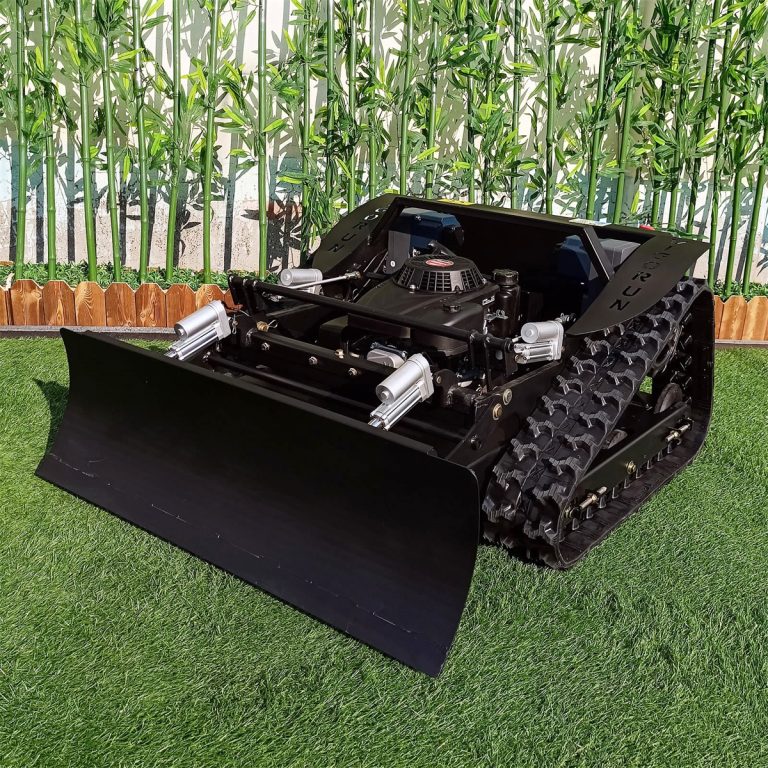
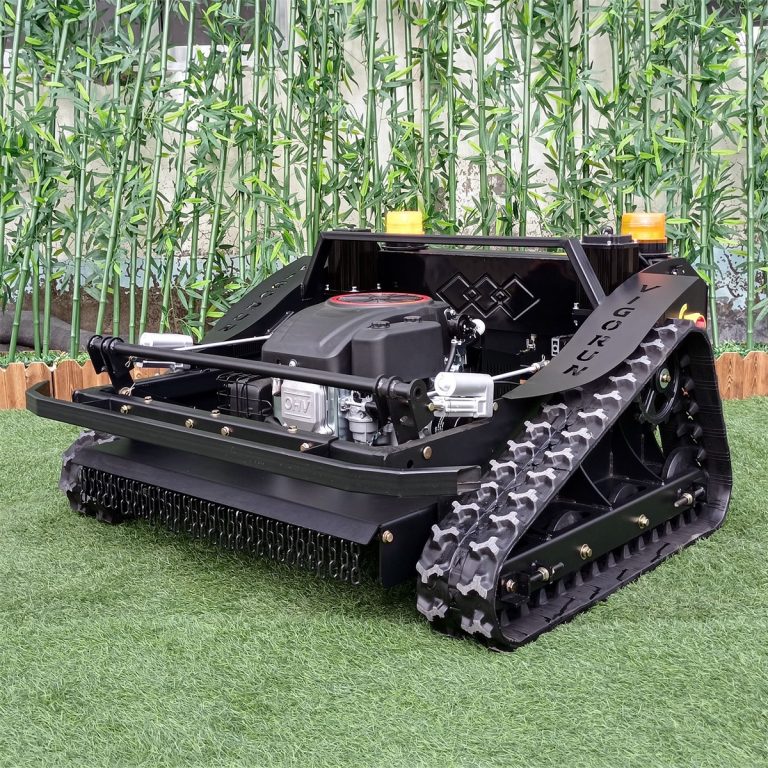
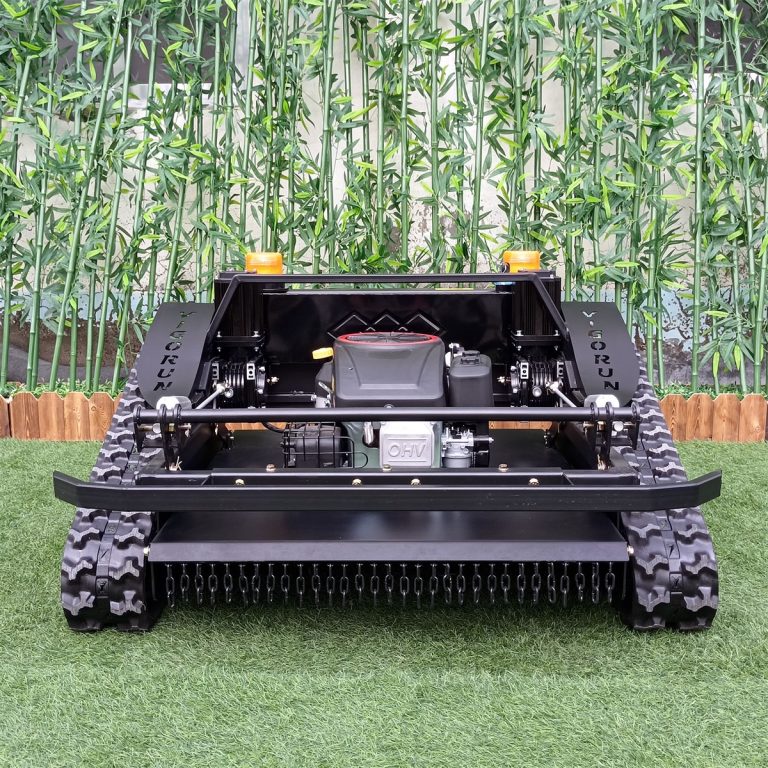
The Loncin 764CC gasoline engine adjustable cutting height tracked wireless operated snow brush stands out with its powerful V-type twin-cylinder gasoline engine. This engine, known as the Loncin model LC2V80FD, boasts a rated power of 18 kW at 3600 rpm, ensuring robust and reliable performance for various outdoor tasks. The impressive 764cc engine provides the necessary strength to tackle even the most challenging snow removal jobs. Equipped with a clutch that engages only when it reaches a predetermined rotation speed, this machine maximizes efficiency and minimizes wear on components. This thoughtful design feature not only prolongs the lifespan of the engine but also enhances the overall user experience by providing smooth operation during use.
 The snow brush is designed for versatility, making it suitable for various applications beyond just snow removal. With the ability to adjust cutting height, operators can easily switch between different tasks, ensuring optimal results whether clearing snow or maintaining landscaping.

Operational Excellence and Safety
 Moreover, the machine’s high reduction ratio worm gear reducer multiplies the torque from the servo motors, delivering immense output torque that allows for excellent climbing resistance. In the event of a power loss, the friction between the worm and gear provides mechanical self-locking, ensuring that the machine does not slide downhill, which adds an additional layer of safety.
 The intelligent servo controller plays a crucial role in the operation of this snow brush by precisely regulating motor speed and synchronizing the left and right tracks. This advanced technology enables the machine to travel in a straight line without constant remote adjustments, reducing the operator’s workload and minimizing risks associated with overcorrection, particularly on steep inclines.